THE BUSINESS OF TASTE: CHEF SIDDHARTH VASUDEV ON CULINARY INNOVATION AND THE FUTURE OF HOSPITALITY.

Share
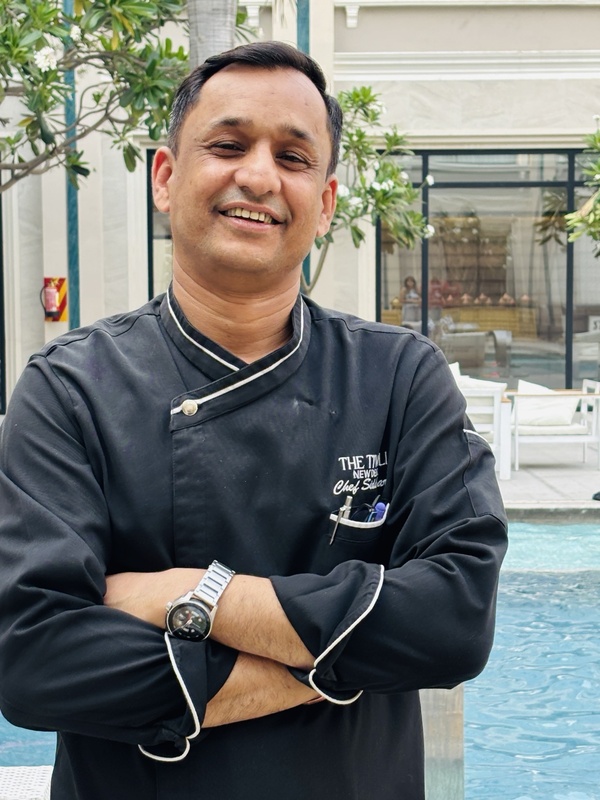
The modern culinary world is an unforgiving one. Diners are more travelled, more informed and more exposed to global food cultures than ever before; trends move at extraordinary speed, authenticity is scrutinised, and expectations now extend far beyond what arrives on the plate. For chefs, the challenge is no longer simply to cook exceptionally well, but to innovate without becoming gimmicky, deliver consistency at scale, understand shifting consumer preferences and create experiences compelling enough to be remembered. It is in this increasingly demanding landscape that seasoned culinary leadership matters and Chef Siddharth Vasudev, Executive Chef at Tivoli Hospitality Group, brings to the table an extensive and accomplished journey shaped by skill, resilience, innovation and a constant appetite for evolution.
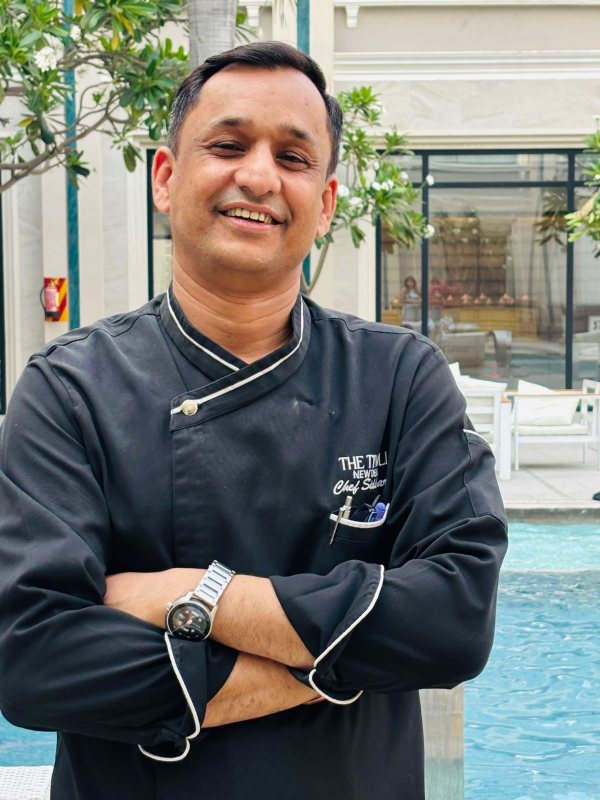 In an exclusive conversation with High On Persona, Chef Siddharth Vasudev reflects on the many chapters behind that journey: the early influences that drew him towards food, the pressures that tested him inside professional kitchens, the transition from mastering technique to leading large culinary teams, and the realities of creating for an increasingly sophisticated guest. From innovation and authenticity to sustainability, mentorship, R&D, restaurant concepts and the future of dining, the conversation offers a compelling look at what it takes to remain relevant in hospitality today when a chef is expected not merely to follow change, but to anticipate it.
HOP: You are currently leading the culinary operations as Executive Chef at Tivoli Hospitality Group. Tell us about your role, the scale of responsibilities you handle, and what excites you most about being part of Tivoli’s culinary journey.
Answer: As an Executive Chef, my role is to lead the culinary vision of the hotel and ensure that every dining experience reflects the property’s standards of excellence. My responsibilities span menu development, kitchen operations, food quality, hygiene compliance, cost control, team leadership and guest satisfaction.
I work closely with F&B management, suppliers and service teams to create memorable culinary experiences while maintaining profitability and operational efficiency. Above all, guest satisfaction is what excites me most.
HOP: As Executive Chef at Tivoli Hospitality Group, you oversee diverse culinary experiences across multiple properties and events. How has this role shaped your perspective on leadership, innovation and hospitality?
Answer: From a leadership standpoint, I have learned that success is driven by people. Managing large culinary teams across different venues requires building a culture of trust, accountability and continuous learning.
In terms of innovation, working across multiple properties has exposed me to a wide range of guest preferences, dining concepts and market trends. This has reinforced the importance of remaining adaptable and forward thinking — whether that means developing new menus, incorporating local and seasonal ingredients, enhancing banquet offerings or introducing contemporary culinary techniques and innovation.
This role has also deepened my understanding that exceptional food is only one part of a memorable guest experience. True hospitality is about creating meaningful moments, understanding guest expectations and delivering consistency at every touchpoint. Every restaurant, banquet, wedding, corporate event or special celebration presents an opportunity to create lasting impressions through quality, attention to detail and genuine care.
Overall, my journey with Tivoli Hospitality Group has strengthened my belief that great hospitality is achieved when strong leadership, culinary innovation and a guest centric mindset come together to create experiences that guests remember and value.
HOP: Can you tell us about your culinary journey and how your experience across leading hospitality brands has shaped your approach to international cuisine?
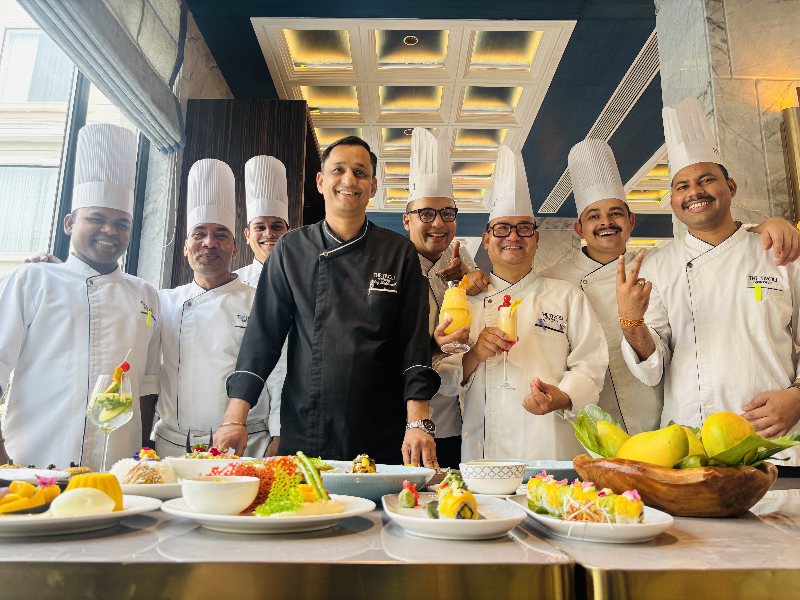
Answer : Currently, I am working with The Tivoli Hotels as Executive Chef. I graduated from the Institute of Hotel and began my culinary journey with Grand Hyatt. Subsequently, I moved to Jaypee Vasant Continental, Carnival Curise line, and The Grand New Delhi in New Delhi. Later, I joined Crown plaza– New Delhi. Over the years, I have specialized in international cuisine, with a strong focus on plate styling and presentation, ensuring that every dish is thoughtfully crafted to deliver both visual appeal and exceptional flavour. – replace question 6 and its answer with this.
 HOP: Every successful chef has a defining moment. What first inspired you to step into the world of culinary arts?
Answer: Growing up, I was fascinated by the way food could bring family and friends together, transforming ordinary moments into memorable experiences. Watching meals being prepared, experiencing different flavours and seeing the happiness that a well cooked dish could create sparked my curiosity about the culinary world.
The defining moment came when I realised that cooking is much more than preparing food — it is a form of creativity, discipline and expression. The ability to transform simple ingredients into something exceptional and evoke emotions through food inspired me to pursue the culinary arts as a profession.
HOP: Growing up, were there any family traditions, home cooked meals or people who influenced your relationship with food?
Answer: Growing up, the kitchen was always at the heart of family gatherings. Meals were much more than food on the table; they represented moments of connection, celebration and togetherness.
Watching family members prepare traditional recipes with care and passion taught me that food carries stories, culture and emotions.
HOP: Looking back at your early days in hospitality, what were some of the toughest lessons you learned in the kitchen?
Answer: One of the first lessons I learned was that passion alone is not enough. Culinary excellence demands hard work, long hours, attention to detail and the ability to perform under pressure.
The kitchen is a fast paced environment, and there is little room for error when guests expect exceptional quality every single time.
HOP: Every chef has a story of struggle before success. Was there a particular challenge or setback that shaped the professional you are today?
Answer: One of the most defining challenges in my career came early on, when I was entrusted with greater responsibilities than I had previously handled. Managing a busy kitchen operation, meeting guest expectations, controlling costs and leading a team simultaneously was both exciting and demanding.
There were moments when the pressure was intense, and I quickly realised that technical cooking skills alone were not enough to succeed.
 HOP: You have worked with some of the most respected hospitality brands. Which chapter of your career transformed your approach to cooking and leadership the most?
Answer: As a young chef, my focus was naturally on mastering techniques, perfecting recipes and delivering exceptional food. As I progressed into leadership roles, I realised that success in hospitality extends far beyond the plate.
Leading multi outlet operations, managing large banquet events, overseeing budgets and developing culinary talent required a completely different perspective.
HOP: Was there a mentor or industry figure who played a significant role in your journey? What is the most valuable lesson you learned from them?
Answer: One of the most valuable lessons I learned from a senior chef early in my career was that consistency is the true measure of excellence.
Anyone can create an outstanding dish once, but maintaining the same quality, presentation and guest experience day after day is what separates good chefs from great ones. That lesson has stayed with me throughout my career and continues to guide my approach to culinary operations.
HOP: From Chef de Cuisine to Executive Chef overseeing large culinary teams, how has your leadership style evolved over the years?
Answer: As a Chef de Cuisine, I was deeply involved in day to day operations, often focusing on details, processes and immediate results. While these aspects remain important, stepping into Executive Chef roles taught me that leadership is about much more than managing kitchens — it is about developing people, building culture and creating a shared vision.
HOP: Managing hundreds of chefs across multiple outlets requires more than culinary expertise. How do you build a culture of excellence and teamwork?
Answer: My approach begins with establishing a clear vision and clear expectations. Every chef, regardless of role, must understand our standards for quality, hygiene, professionalism and guest satisfaction. When expectations are communicated clearly and reinforced consistently, teams are better aligned towards common goals.
At the same time, I believe excellence is achieved through empowerment, not just supervision. I encourage chefs to take ownership of their responsibilities, contribute ideas and participate in problem solving. When team members feel trusted and valued, they become more engaged and committed to success.
HOP: What were some defining challenges while handling large scale culinary operations across different cities, properties or countries?
Answer: One of the biggest challenges has been maintaining consistent quality and brand standards across multiple properties. Guests expect the same level of excellence regardless of where they dine, so establishing strong systems, standardised recipes, operational procedures and quality controls is essential.
Achieving consistency while allowing each property to showcase its unique identity requires careful leadership and oversight.
 HOP: How would you describe your culinary philosophy today?
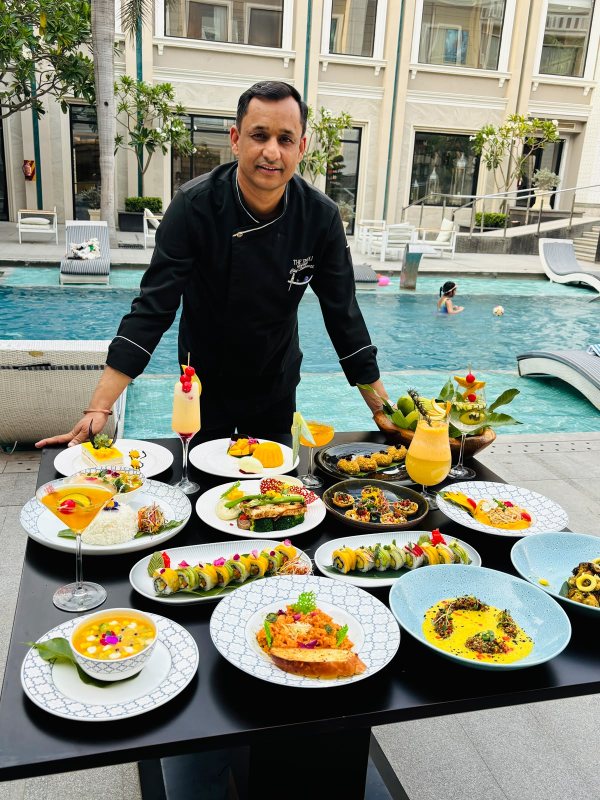
Answer: I believe great food should tell a story — whether it reflects a region’s heritage, celebrates seasonal ingredients or showcases innovative culinary techniques. Every dish should have a purpose and create a memorable experience for the guest while remaining true to its roots and flavours.
At the heart of my philosophy is a deep respect for ingredients. Quality ingredients require minimal manipulation; our responsibility as chefs is to enhance their natural character through proper technique, thoughtful presentation and careful attention to detail.
I believe simplicity, when executed with precision and consistency, is often more powerful than complexity.
HOP: In an age of constantly changing food trends, how do you balance innovation with authenticity?
Answer: I believe innovation should never overshadow the fundamentals of good cooking. Guests may be attracted by new concepts, techniques or presentations, but they return for great flavour, quality and consistency.
Whether I am reinterpreting a traditional recipe or introducing a contemporary menu item, my first priority is to respect the original ingredients, cultural influences and culinary heritage that define the dish.
HOP: What role does creativity play when designing menus for diverse audiences and evolving consumer preferences?
Answer: When designing menus, creativity helps bridge the gap between culinary tradition and modern expectations. Today’s guests come from different cultural backgrounds, age groups and lifestyle preferences, and they seek experiences that are both exciting and authentic.
Creativity allows us to interpret flavours, ingredients and presentation styles in ways that appeal to a broad audience while maintaining a clear culinary identity.
HOP: Research and development are becoming increasingly important in hospitality. How do you approach creating new concepts and dining experiences?
Answer: I study emerging culinary trends, consumer behaviour, competitor offerings, global dining movements and local market preferences. Equally important is listening to guest feedback and understanding what guests are looking for today — and what they may expect in the future.
The development process is highly collaborative. I involve chefs, food and beverage teams, service professionals and suppliers in brainstorming and testing ideas. Some of the most successful concepts emerge when different perspectives come together to refine and strengthen an initial idea.
HOP: Having launched and managed multiple restaurant concepts, what are the key ingredients behind a successful restaurant opening?
Answer: I believe the key ingredients are:
1. A clear and differentiated concept
2. Understanding the market and guests
3. A well designed and profitable menu
4. Building the right team
5. Strong operational planning
6. Attention to the guest experience
HOP: Today’s diners are looking for experiences, not just meals. How do you create memorable dining moments for guests?
Answer: The modern guest is seeking much more than great food — they are looking for an experience that engages the senses, creates an emotional connection and leaves a lasting memory. As a chef, I believe our responsibility extends beyond the plate to crafting a complete journey.
Creating memorable dining moments starts with understanding the guest. Every dining occasion has a different purpose, whether it is a family celebration, a business dinner, a wedding or a casual evening out. My goal is to ensure that every element of the experience reflects that occasion and exceeds expectations.
HOP: Sustainability is becoming an important conversation in food and hospitality. How do you incorporate responsible practices into your kitchens?
Answer: One of the most important areas of focus is responsible sourcing. Whenever possible, I prioritise seasonal and locally sourced ingredients, which not only support local producers but also help reduce transportation impact while ensuring freshness and quality.
Food waste management is another key priority. Through careful menu planning, accurate forecasting, portion control, inventory management and the creative utilisation of ingredients, we can significantly reduce waste without compromising the guest experience. I encourage my teams to adopt a mindset in which every ingredient is valued and utilised thoughtfully.
Sustainability also extends to kitchen operations. Implementing energy efficient equipment, reducing water consumption, minimising single use plastics and adopting environmentally conscious procurement practices can collectively make a significant impact across large hospitality operations.
HOP: Mentorship plays a vital role in shaping future talent. How do you nurture and inspire the next generation of chefs?
Answer: Training and continuous learning are central to my leadership philosophy. I encourage chefs to explore new techniques, understand ingredients deeply, stay informed about industry trends and never stop learning.
I also provide opportunities for hands on experience, cross training, participation in menu development and exposure to different aspects of culinary operations.
Equally important is empowering individuals to take ownership of their growth. I encourage team members to share ideas, ask questions and embrace challenges. Mistakes are treated as learning opportunities, helping young chefs build resilience, confidence and problem solving abilities.
HOP: Beyond technical skills, what qualities do you believe define a truly exceptional chef?
Answer: While technical expertise is the foundation of a chef’s career, I believe truly exceptional chefs are defined by qualities that go far beyond their ability to cook.
Skills can be taught and refined over time, but character, mindset and leadership are what distinguish great chefs from good ones. For me, the most important qualities are passion, discipline, consistency and leadership skills.
HOP: What food trends do you believe will shape the future of dining over the next five years?
Answer: The future of dining will be shaped by a combination of changing consumer lifestyles, technological advancements, sustainability concerns and a growing desire for authentic experiences.
While trends will continue to evolve, I believe several key movements will have a lasting impact on the hospitality industry over the next five years.
HOP: Outside the kitchen, where do you find creative inspiration?
Answer: I believe creativity is not limited to the kitchen — it is influenced by everything we experience in life. Some of my greatest inspirations come from travel, culture, nature and the people I meet along the way.
HOP: After years of achievements, what still excites you most about being a chef?
Answer: What excites me most after all these years is that no two days in this profession are ever the same. The culinary world is constantly evolving, offering new opportunities to learn, create and make a meaningful impact on people’s lives through food and hospitality.
One of my greatest sources of motivation is the opportunity to create memorable experiences for guests. Knowing that a meal can become part of a celebration, a special occasion or a lasting memory continues to be incredibly rewarding.
The ability to bring people together through food is something I never take for granted.
HOP: Looking back on your journey so far, what has been your proudest professional moment?
Answer: While I am grateful for the awards, successful openings and career milestones I have achieved over the years, my proudest professional moments are not defined by a single accomplishment.
They are defined by the people, the teams and the lasting impact I have been able to create throughout my journey.
HOP: If you could go back and give one piece of advice to your younger self on the first day of culinary school, what would it be?
Answer: I would tell myself: “Stay curious, be patient and never stop learning.”
HOP: What advice would you give aspiring chefs who dream of building an international culinary career?
Answer: My advice to aspiring chefs is to focus on building a strong foundation before chasing titles or opportunities abroad.
An international culinary career is not built overnight — it is the result of continuous learning, discipline, hard work and a genuine passion for hospitality.
RAPID FIRE
HOP: Three words that best describe you. Answer: Passionate, innovative, resilient.
HOP: A city whose food culture inspires you the most.
Answer: New Delhi.
HOP: One ingredient you can never live without. Answer: Fresh coriander.
HOP: A dish that perfectly represents your culinary identity.
Answer: Pizza.
HOP: Your favourite comfort food after a long day.
Answer: Khichdi.
HOP: Fine dining or street food?
Answer: Street food.
HOP: One chef you admire the most.
Answer: Chef Jean Pierre, the French chef.
HOP: One destination still on your culinary bucket list.
Answer: New York.
HOP: Apart from cooking, what hidden talent do you have?
Answer: Food styling and photography.
HOP: One dish that defines Chef ____?
Answer: Truffle Mushroom Risotto.