
Korean Skincare for Indian Skin: Dr. Jenovia Daun Jung Decodes Anti Ageing

Share
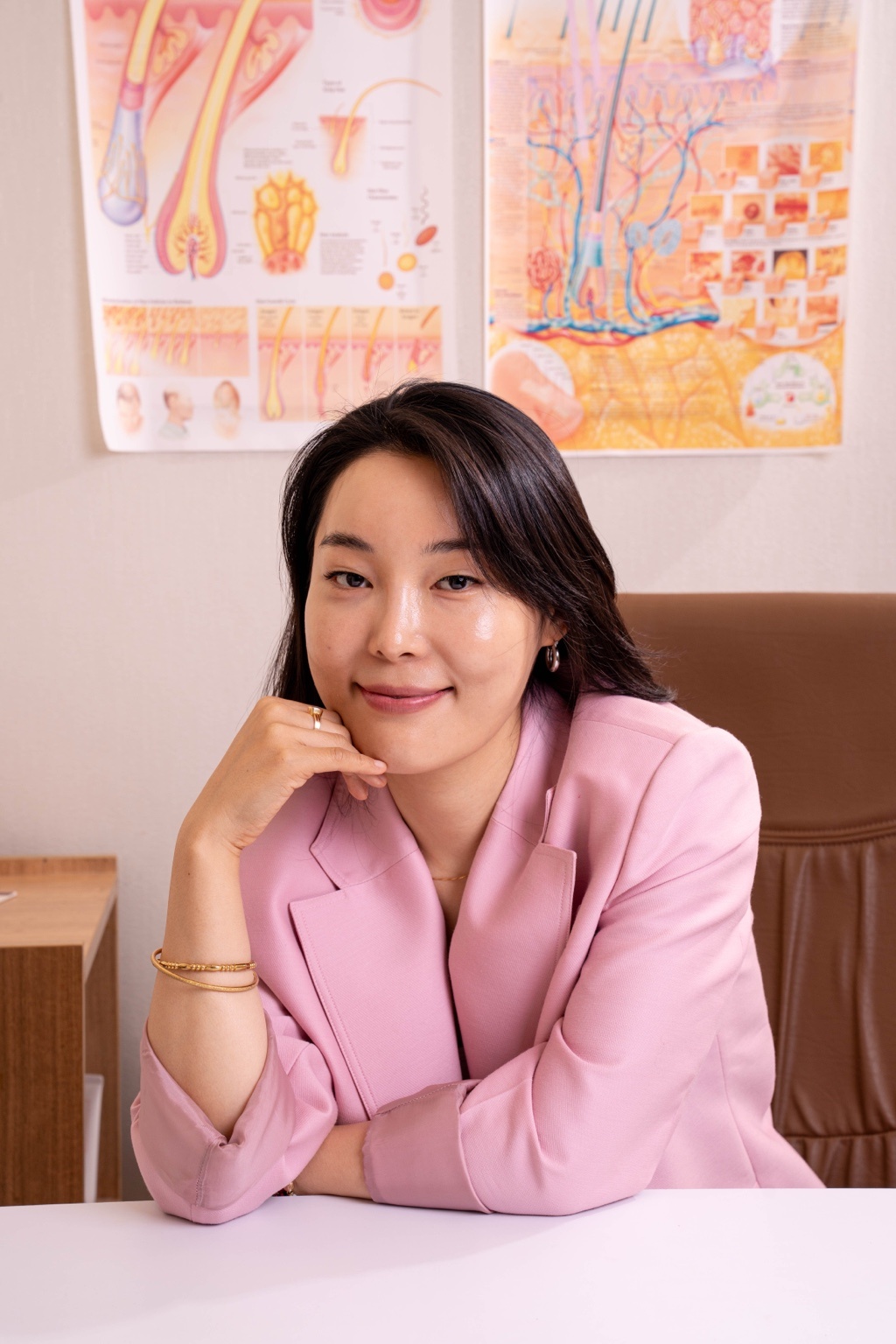
The Korean Skin Philosophy, Decoded: Dr. Jenovia Daun Jung on Anti Ageing, Indian Skin & the Science Behind Healthy Skin
What if anti ageing isn’t really about looking younger?
What if the smarter approach is to start much earlier, before fine lines appear, before pigmentation becomes stubborn and before skin begins losing its resilience?
In an insightful conversation with High On Persona Magazine, Dr. Jenovia Daun Jung, Co Founder & COO of KorinMi, takes a refreshingly realistic look at the world of Korean skincare, anti ageing treatments and skin longevity. From explaining why your 20s may be the right time to think about prevention, to busting the belief that expensive products automatically deliver better results, Dr. Jenovia brings the conversation back to something far more fundamental: understanding your skin and caring for it consistently.
The conversation becomes particularly intriguing when she addresses Korean skincare for Indian skin. Korean beauty may have become a global phenomenon, but Dr. Jenovia points out that India’s stronger sun exposure, heat, humidity, pollution and pigmentation concerns mean that Korean skincare principles cannot simply be copied and pasted. At KorinMi, she explains, Korean expertise and technology are adapted through detailed skin analysis and customised treatment plans.
She also delves into the ingredients currently dominating the beauty conversation, retinol, peptides, ceramides, niacinamide, vitamin C, hyaluronic acid, centella asiatica, ginseng, fermented extracts and PDRN, while explaining why the ingredient name alone doesn’t tell the whole story.
And then there are the myths. Can collagen supplements really help? Do gua sha and facial yoga actually prevent ageing? Are natural DIY remedies safe? Does a more expensive skincare shelf mean better skin?
Dr. Jenovia’s answers offer a more measured perspective: healthy skin is built through consistency, prevention, sun protection, a strong skin barrier and treatments chosen according to individual needs, not through chasing overnight transformations.
For High On Persona Magazine, she shares her expert perspective on Korean skincare, anti ageing skincare, Indian skin, collagen, PDRN, skin barrier health, non invasive treatments, skincare ingredients, DIY skincare and the science of healthy ageing, along with the five simple habits she believes matter most at every age.
HOP: Korean skincare is synonymous with healthy, youthful skin. How does the Korean philosophy of anti ageing differ from conventional skincare approaches?
Answer: I think the biggest difference is that Korean skincare looks at anti ageing as something you practise every day, not something you start thinking about once fine lines appear. Instead of focusing on reversing the signs of aging, the idea is to delay them by keeping the skin healthy from the start. That means maintaining a strong skin barrier, keeping the skin well hydrated, protecting it from environmental damage, and addressing concerns early.
At KorinMi, we follow the same approach. Anti ageing isn’t about chasing perfect skin or trying to look younger overnight. It’s about understanding your skin, giving it the care it needs at every stage, and being consistent with that care. Healthy, resilient skin will always age better than skin that’s only treated once concerns become visible.
HOP: At what age should people start an anti ageing skincare routine, and what are the earliest signs of ageing they should watch out for?
Answer: I usually tell my patients that your 20s are the right time to start thinking about prevention, not anti ageing. You don’t need a shelf full of products. A simple routine, daily sunscreen, good hydration, and taking care of your skin barrier will do far more for your skin in the long run.
The first signs of ageing are usually very subtle. You might notice your skin doesn’t bounce back the way it used to, it feels a little drier, or you start seeing fine lines around the eyes. These changes are completely normal. The mistake most people make is waiting until those signs become more obvious. In my experience, it’s much easier to maintain healthy skin than to correct concerns later. Healthy, youthful looking skin is really the result of small, consistent habits over time.
HOP: With so many anti ageing products and treatments available today, what genuinely works, and what are some of the biggest myths people should stop believing?
Answer: One thing I always convey to my patients is that there isn’t one miracle product that can stop or reverse ageing overnight. Healthy skin is built through consistency, not quick fixes. The fundamentals still matter the most, daily sunscreen, good hydration, a healthy skin barrier, and ingredients that are backed by science and suited to your skin’s needs.
One of the biggest myths is that expensive products automatically deliver better results, or that you need an elaborate skincare routine to see results. That’s simply not true. More products don’t always mean better skin. In fact, using too many active ingredients without understanding your skin can often lead to irritation and a compromised skin barrier. You don’t need to do everything. You just need to do the right things for your skin, and do them consistently.
HOP: What are the most effective non invasive anti ageing treatments for concerns such as fine lines, skin laxity, pigmentation, and collagen loss?
Answer: The first thing I would say is that there isn’t one treatment that’s best for everyone. It really depends on what’s happening with your skin. Fine lines, pigmentation, skin laxity, and collagen loss are all different concerns, so they need different approaches.
If someone is looking to improve fine lines or boost collagen, we’ll usually recommend treatments that stimulate collagen and improve overall skin quality. If the concern is skin laxity, we look at technologies that help lift and tighten the skin. Pigmentation is a little different because we first need to understand what’s causing it, whether it’s sun damage, hormonal changes, or post acne marks, and then treat it accordingly.
The best results come when we look at the skin as a whole instead of treating just one concern. That’s why I always believe in combining the right in clinic treatments with a good home care routine. The aim isn’t to change the way you look, it’s simply to help your skin stay healthy, firm, and radiant.
 HOP: Collagen supplements have become extremely popular. Are they truly effective for improving skin health and slowing signs of ageing? If so, what should consumers look for before choosing one?
Answer: Collagen supplements can absolutely support skin health, but I wouldn’t look at them as a magic solution for ageing. Healthy skin is influenced by so many factors, including nutrition, sleep, hydration, sun protection, and a consistent skincare routine.
If you’re considering a collagen supplement, choose one from a reputable brand with good quality collagen peptides and clear quality standards. Just remember, supplements work best when they’re part of an overall skincare and wellness routine.
One thing I always remind people is that collagen isn’t just about what you consume. The way you care for your skin every day matters just as much. Products that keep the skin hydrated and support the skin barrier, like KorinMi’s Signature K Glow Collagen Mask, can be a great addition to your routine. At the end of the day, healthy, youthful looking skin is never the result of one product. It’s the result of good habits and consistent care.
HOP: Besides skincare, what dietary habits and nutrients play the biggest role in maintaining healthy, youthful skin? Are there specific foods you recommend including or avoiding?
Answer: I genuinely believe healthy skin starts from within. People often focus so much on skincare that they forget their diet has a huge role to play too. If you’re eating enough protein, plenty of colourful fruits and vegetables, healthy fats, and staying well hydrated, your skin usually reflects that. Nutrients like vitamin C, omega 3s, zinc, and antioxidants all help support healthy skin and collagen production.
If your diet is high in sugary or ultra processed foods, your skin is likely to reflect that too. But that doesn’t mean you have to stop eating your favourite foods. It’s really about balance and making good choices every day.
HOP: Can Indian skin benefit from Korean skincare techniques, or do treatments and routines need to be customised for Indian skin types, climate, and environmental conditions?
Answer: Absolutely! Indian skin can definitely benefit from Korean skincare. But I don’t think it’s about copying a routine that’s meant for someone living in Korea. Our skin lives in a completely different environment.
In Korea, the weather, pollution levels, and even the lifestyle are very different. Here, the skin is dealing with stronger sun exposure, heat, humidity, pollution, and concerns like pigmentation and tanning. So while the Korean approach to skincare is fantastic, the treatments and routines have to be adapted for Indian skin.
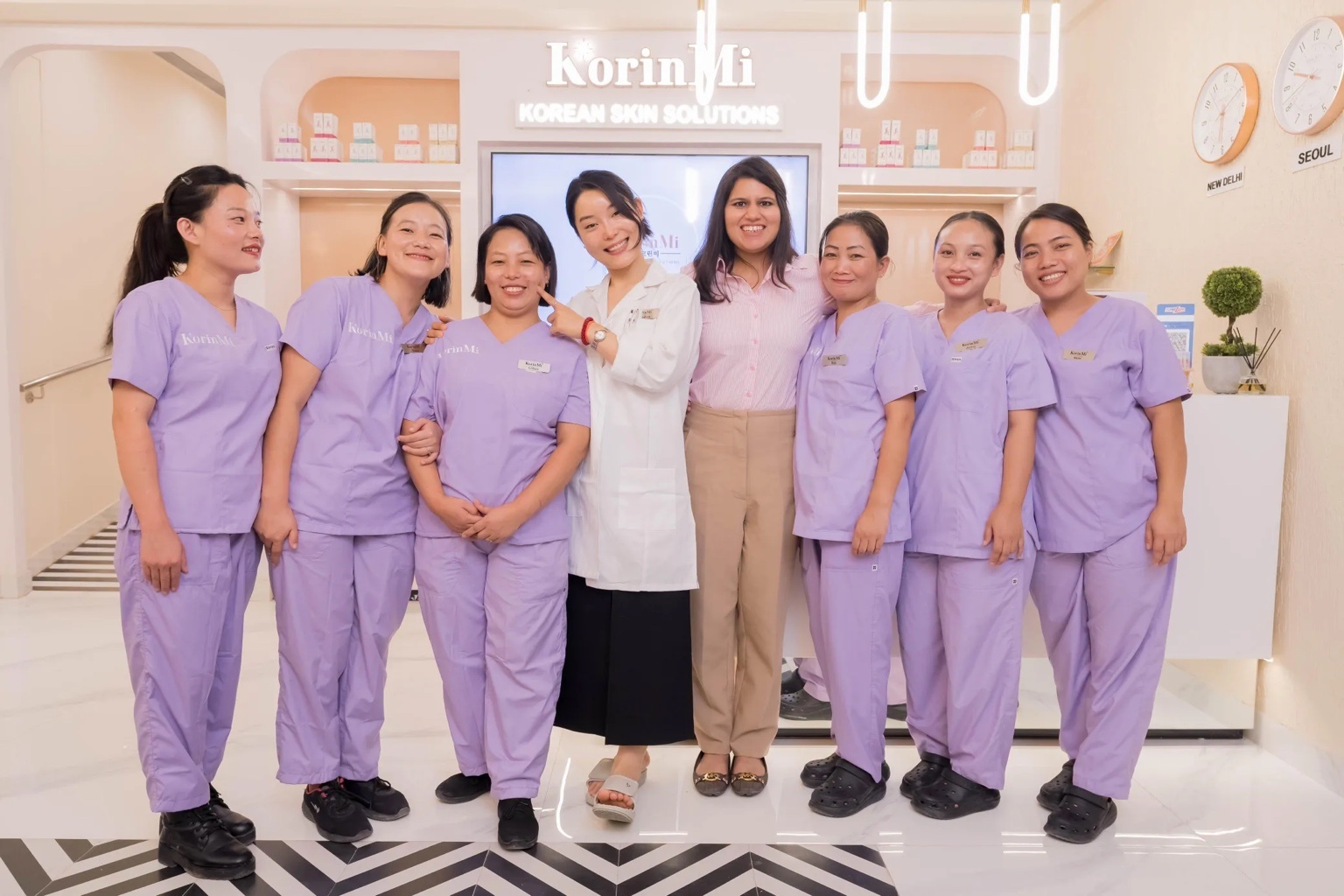
That’s exactly what we do at KorinMi. Every treatment starts with a detailed 3D skin analysis and consultation because I don’t believe in guessing what your skin needs. Once we understand your skin, we can recommend treatments that are actually right for you. We bring Korean expertise and technology, but everything is customised for Indian skin.
HOP: Ingredients like retinol, peptides, ceramides, niacinamide, vitamin C and hyaluronic acid are often recommended for anti ageing. What role does each of these play, and which combinations work best?
Answer: Every ingredient has a different role, so it’s important to choose based on what your skin actually needs. Retinol helps with skin renewal and fine lines, peptides support collagen and firmness, ceramides strengthen the skin barrier, niacinamide helps with pigmentation and oil balance, vitamin C protects and brightens the skin, while hyaluronic acid keeps it hydrated.
I don’t recommend using every active ingredient together. A simple routine with the right combination often works better. For example, vitamin C with sunscreen in the morning and retinol at night can work well, while ingredients like peptides, ceramides, and hyaluronic acid help support hydration and skin health. The best routine is always one that is personalised to your skin and something you can follow consistently.
HOP: Korean skincare has introduced ingredients such as snail mucin, ginseng, fermented extracts, centella asiatica, cica, rice extracts and PDRN to the global market. Which Korean ingredients have the strongest scientific evidence for anti ageing and skin repair?
Answer: I think what’s interesting about Korean skincare is that many of these ingredients have been used for years, but we’re now seeing more scientific research to support their benefits. Ingredients like centella asiatica, or cica, have strong evidence for soothing the skin, supporting the skin barrier, and helping with repair. Ginseng is rich in antioxidants and is known to improve skin vitality, while fermented ingredients can enhance hydration and improve the way certain ingredients are absorbed by the skin.
PDRN is another ingredient that’s receiving a lot of attention, particularly in dermatology, because of its potential to support skin repair and improve overall skin quality. It’s an exciting area, but like any ingredient, it works best when it’s used for the right indication and as part of a personalised treatment plan.
A lot of people focus only on the ingredient name, but that’s not the whole picture. The formulation, concentration, and whether it actually suits your skin matter just as much as the ingredient itself.
HOP: Can the visible signs of ageing actually be reversed, or is it more realistic to focus on slowing the ageing process? What results can people genuinely expect from skincare and professional treatments?
Answer: Ageing is a natural process, and I don’t think the goal should be to stop it. It’s really about helping your skin stay healthy and support it as it changes over time. With the right skincare, daily sun protection, and treatments that are suited to your skin, we can definitely improve concerns like fine lines, pigmentation, uneven texture, and loss of firmness.
But it’s also important to have realistic expectations. Skincare and treatments can make a visible difference, but they won’t change who you are, and that’s not the goal. The aim is to help your skin look healthier, stronger, and more radiant.
The best results come from understanding your skin, giving it the care it needs, and being consistent. Healthy skin is not about fighting ageing, it’s about taking care of your skin at every stage of life.
HOP: DIY skincare remains extremely popular. Are there any home remedies or natural ingredients that genuinely support healthy, youthful skin, and which DIY trends should people avoid?
Answer: I think the biggest thing to understand is that just because something is natural, it doesn’t always mean it’s good for your skin. Some simple ingredients like aloe vera or oatmeal can feel soothing, but they are not a replacement for skincare products that are made specifically for your skin concerns.
Where I would be more careful is with DIY remedies that can be harsh on the skin. Things like lemon juice, baking soda, toothpaste, or using essential oils directly on the skin can cause irritation and affect the skin barrier.
I always recommend keeping skincare simple. Your skin doesn’t need constant experimentation. A routine that is gentle, consistent, and right for your skin will always give better results than trying every home remedy you see online.
HOP: Can simple at home practices such as facial massage, gua sha, jade rollers, facial yoga or ice therapy make a noticeable difference in preventing or reducing signs of ageing?
Answer: I think practices like facial massage, gua sha, and jade rollers can be a nice addition to your routine if you enjoy them. They can help with temporary puffiness and make your skincare routine feel more relaxing.
But it’s important to understand what they can and cannot do. They won’t rebuild collagen or reverse ageing on their own. Ice therapy can give your skin a refreshed feeling and temporarily reduce puffiness, while facial yoga has limited evidence when it comes to long term anti ageing benefits.
I see these practices as something extra, not the foundation of your skincare. The things that truly make a difference are daily sunscreen, a consistent routine, and treatments that are chosen based on what your skin actually needs.
HOP: If you could share your top five anti ageing tips for maintaining healthy, radiant skin at every age, what would they be?
Answer: If I had to keep it to five, my advice would be very simple.
First, never underestimate sunscreen. If there’s one product that makes the biggest difference over time, it’s daily sun protection.
Second, focus on keeping your skin well hydrated and your skin barrier healthy. Strong, healthy skin always ages better.
Third, don’t keep changing your skincare routine. Find products that work for your skin and stay consistent with them.
Fourth, remember that your lifestyle shows up on your skin. Eat well, stay hydrated, get enough sleep, manage stress, and make time for regular exercise.
Finally, don’t ignore your skin when it starts changing. Whether it’s pigmentation, fine lines, or a loss of firmness, addressing concerns early usually gives much better results than waiting until they become more noticeable.
Ageing is completely natural, and I don’t think the goal should be to look younger. The goal should be to have healthy, resilient skin that continues to look its best at every stage of life.