Anjali Phougat on Fashion, Cannes & Global Luxury
Share
Anjali Phougat: Designing a Global Indian Identity
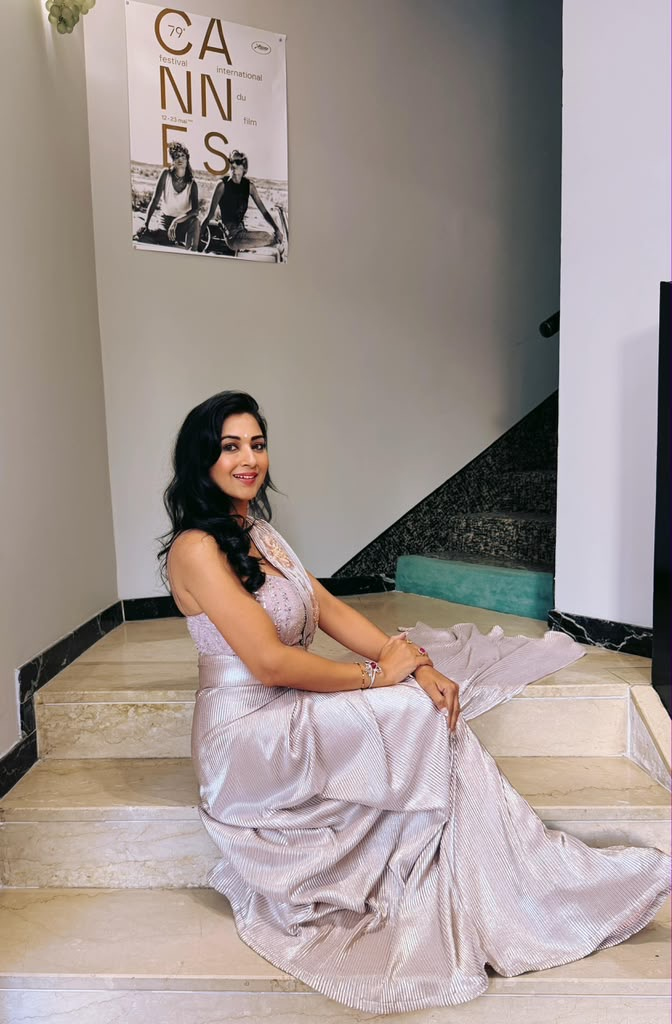
Couture, culture and conscious design come together in Anjali Phougat’s evolving fashion vocabulary. With more than two decades in fashion and an increasingly international presence, the designer has built her identity around the meeting point of Indian craftsmanship and contemporary global style. From international fashion weeks and Cannes to her work as the founder of Designer Dream Collection, Phougat continues to position Indian design within a wider luxury conversation.
For Phougat, fashion is ultimately about more than aesthetics. It is about individuality, confidence and the emotion attached to what a woman wears. In this conversation with High On Persona, she discusses her personal design language, the future of fashion, the changing Cannes landscape, the growing influence of Indian designers internationally and what it will take for Indian fashion houses to become truly global.
Personal Style & Design Philosophy
HOP: How would you describe your own personal style, and how does it influence your design philosophy? What is the distinctive concept or design language that you want an Anjali Phougat creation to communicate?
ANSWER: My personal style is feminine, elegant and expressive, but I also believe there should always be a sense of soul behind what we wear. I love combining Indian craftsmanship with a modern, international sensibility. For me, fashion is not just about looking beautiful. It is about how a woman feels when she wears something.
I want every creation to communicate confidence, individuality, culture and emotion. I love intricate craftsmanship, beautiful fabrics and details that tell a story, but I never want a piece to feel like it belongs only to one moment or one trend. I want it to have an identity of its own.
Beyond the Trend Cycle
HOP: Fashion is moving between quiet luxury, bold individualism and a renewed interest in craftsmanship. From your perspective as a designer, what trends do you think will genuinely define the next season, and which are simply social media hype?
ANSWER: I think craftsmanship is going to become even more important. People are becoming more conscious about what they buy and are looking for pieces that have meaning, quality and longevity.
I also believe individuality will be stronger than following one particular trend. Quiet luxury will continue, but I don’t think luxury has to mean minimalism. For me, luxury can also be a beautifully hand-embroidered Indian textile or an extraordinary piece of craftsmanship.
Social media can make something look important overnight, but not everything that goes viral has lasting value. A trend is temporary. Good design, craftsmanship and a strong personal identity never really go out of fashion.
Cannes: Access, Association & Authenticity
HOP: Cannes has increasingly become as much a fashion and influencer spectacle as a film festival. Having experienced Cannes firsthand, where do you think the line should be drawn between a genuine Cannes invitation, a brand-led red-carpet appearance and simply creating the perception of being part of the Festival?
ANSWER: For me, Cannes has been a consistent part of my international fashion journey for many years. I have been fortunate to receive invitations to film premieres, fashion events, shows and brand collaboration presentations, and to be part of the Cannes experience consistently over the years.
I think there is an important distinction between attending an official Festival event, walking a red carpet as part of a brand or fashion collaboration, attending a fashion presentation or private event, and simply being in Cannes and creating content around it. All of these experiences can be meaningful, but I believe they should always be communicated honestly.
Having been part of Cannes for several years, I have seen how much the platform has evolved. For me, it has never been about simply saying, “I was at Cannes.” It is about the relationships, the fashion, the international exposure, the creative conversations and representing Indian design on a global platform.
I believe credibility comes with consistency. When you have genuinely been invited to premieres, fashion events, presentations and industry gatherings over a period of years, you don’t need to exaggerate your association. The experience and the work speak for themselves.
The Cannes Red-Carpet Economy
HOP: There has been a lot of conversation around people buying access, paying for photographers or using loosely worded Cannes associations to build their profiles. Do you feel this is diluting the credibility of the Cannes red carpet, or is it simply the new reality of the creator economy?
ANSWER: I think it can dilute credibility when the communication becomes misleading. There is nothing wrong with investing in your career, hiring a photographer or attending events. The problem comes when the audience is given a completely different impression of what actually happened.
The creator economy has changed the way people build visibility, and that is not necessarily a bad thing. But with visibility comes responsibility. I believe authenticity is much more powerful in the long run.
You can create beautiful images and build a strong profile without pretending to have an association that you don’t actually have. I would rather be respected for something genuine than be seen for something exaggerated.
India’s Growing Global Influence
HOP: India’s presence at Cannes is becoming much more diverse, from established actors to designers, creators and entrepreneurs. Do you think India is now influencing global fashion conversations rather than simply participating in them?
ANSWER: Absolutely. India is no longer just being invited into the global fashion conversation. We are contributing to it.
Our textiles, embroidery, craftsmanship, jewellery and storytelling have always been extraordinary, but today the world is seeing them through a much more contemporary lens. Indian designers and creators are showing that our heritage can be modern, global and relevant without losing its authenticity.
I feel very proud when I see Indian talent represented internationally because it creates opportunities for the next generation as well. We are not just bringing Indian fashion to the world. We are showing the world a different way of looking at luxury, craftsmanship and culture.
Building Global Indian Fashion Houses
HOP: What do Indian designers need to do differently to move from being celebrated for their craftsmanship and cultural identity to becoming truly global fashion houses with sustained international relevance?
ANSWER: I think the biggest thing is consistency. Beautiful craftsmanship gets you noticed, but building a global fashion house requires much more. You need strong branding, international business strategy, quality control, storytelling, retail and distribution, and the ability to create collections that speak to people beyond one market.
We also need to invest in our artisans and bring their craftsmanship into a global luxury framework. Indian heritage should be our strength, not something that limits us.
I believe the next generation of Indian fashion houses can be truly global while remaining deeply Indian. We don’t have to become Western to become international.
The Next Global Chapter
HOP: After your Cannes experience and growing international visibility, what global fashion weeks, collaborations or creative projects are you looking at next, and where do you see Indian design making its strongest international impact?
ANSWER: I want to continue taking Indian craftsmanship to different international platforms and creating opportunities for Indian artisans. I have always believed that fashion can be a bridge between cultures.
I am looking at expanding into more global fashion weeks and international collaborations, while also developing projects that bring together fashion, culture, wellness and purpose. I don’t want to simply show clothes in different cities. I want every collection and every presentation to have a story behind it.
I see a very strong future for Indian design in the global luxury market, especially when we combine our incredible craftsmanship and heritage with contemporary design, strong international branding and a very authentic voice.
She has been there and done that. After graduating from Delhi University, she completed her diploma in Journalism from Bhartiya Vidya Bhawan, Delhi. Down the line, she completed her internship with National Herald Newspaper successfully,, and went on to Join Mainline Business daily, Business Standard. She also dabbled in image management and brand consultancy. She is a prolific writer on lifestyle entertainment, branding, lifestyle, travel, and politics.
Contact her at [email protected]