
Forest Hill Resort and Afforestt Launch Eco-Tourism Transformation in Shivalik Foothills

Share
In a significant move towards sustainable hospitality and ecological restoration, Forest Hill Resort (FHR), located near Chandigarh in the Shivalik foothills, has joined hands with Afforestt to initiate a large-scale rewilding and native habitat restoration project across its expansive landscape.
 Afforestt, globally recognised for its expertise in ecological restoration and native forest regeneration, will lead the transformation of the nearly 2,000-acre property situated adjacent to the 10,000-acre Sukhna Wildlife Sanctuary.
A Vision for Eco-Tourism and Conservation
According to Devinder Sandhu, Director of Forest Hill Resort, the initiative represents a long-term commitment to preserving the region’s natural ecosystem while redefining eco-conscious hospitality.
He stated that the project aims to place the Chandigarh–Shivalik region prominently on both national and global eco-tourism maps. He further added that the development is designed to promote awareness around conservation while offering immersive nature-based hospitality experiences.
Sandhu also emphasized that the project will shift Forest Hill Resort into a space where environmental responsibility and guest experience coexist seamlessly. “We are creating an environment where visitors can experience biodiversity, tranquillity, and wellness without disturbing the ecological balance,” he said.
Afforestt on Ecological Potential of the Site
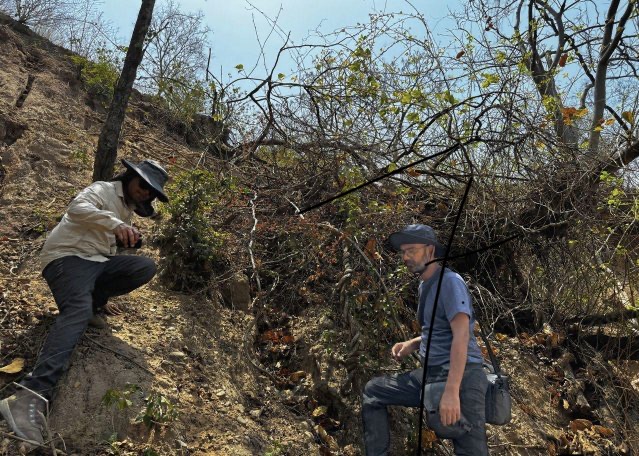
Afforestt Director Gaurav Gurjar, along with Designer Varsha Gurjar, recently visited the site and highlighted its strong ecological significance. He described the property as having “maximum ecological advantage,” noting its location within a watershed system fed by seasonal streams and its proximity to an important wildlife corridor.
He explained that the vision extends beyond a single project timeline, stating that ecological transformation will be visible within five years and could evolve into a long-term ecological legacy over the next two decades.
Phased Approach to Rewilding
Gurjar outlined a structured approach to restoration, beginning with scientific assessment and ending with natural forest succession.
He explained the key phases include:
- Ecological mapping and research, including Potential Native Vegetation (PNV) studies, soil analysis, and water flow assessment
- Site clearing, focusing on removal of invasive and non-native species
- Water system design, aimed at slowing and naturally retaining rainfall through lakes and channels
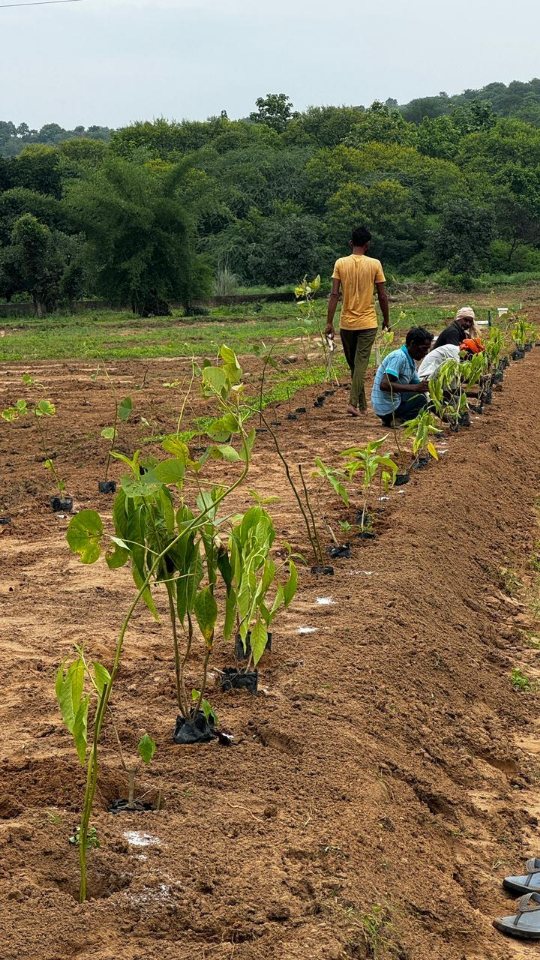
- Native plantation, restoring multi-layered forest structure from canopy to ground cover
He confirmed that initial ecological audits, soil studies, and species mapping have already been completed, while invasive species removal and native plantation work is currently underway.
Gurjar further noted that the Shivalik foothills carry a distinct ecological identity shaped over thousands of years. “Our goal is to restore the ecological memory of the land using species that naturally belong here,” he said, adding that native design reflects the intelligence of the ecosystem itself.
Native Species and Biodiversity Restoration
Designer Varsha Gurjar highlighted that the restoration plan focuses on reviving the region’s original mixed deciduous forest ecosystem.
Native species such as Jhingan, Phulai, Surteli, Dhavda, Kaim, and Khair, along with indigenous grasses and shrubs, are being prioritised for plantation.
She also noted that the site already supports rich biodiversity, including barasingha, peacocks, bee-eaters, grey hornbills, and more than 60 bird species, including migratory populations.
Water Conservation and Habitat Development
A key element of the project involves hydrological restoration and groundwater recharge planning. The first lake on the property is expected to be completed before the upcoming monsoon season.
The project includes the development of lakes, trenching systems, and natural water channels designed to slow, store, and naturally recharge rainwater.
Varsha explained that restoring natural water systems will not only improve groundwater levels but also create sustainable habitats for birds, insects, reptiles, and forest ecosystems.
Future of Eco-Hospitality at FHR
According to Sandhu, the introduction of native forests and water ecosystems will significantly elevate the guest experience by offering a deeper connection with nature.
He added that modern travellers increasingly seek meaningful, immersive experiences, and this initiative will allow visitors to experience a living ecosystem rather than a conventionally landscaped property.
Concluding the announcement, he said Forest Hill Resort aims to establish a peaceful eco-haven where conservation and hospitality operate in harmony.