“Culturally rooted cuisines and mindful dining will define the future of global gastronomy.” – Chef Shiva Arora
In the world of fine dining and luxury hospitality, where precision meets passion, Chef Shiva Arora has carved a journey that is both inspiring and deeply rooted in authenticity. From the nostalgic warmth of his home kitchen to commanding large-scale culinary operations across globally celebrated hotel brands like The Oberoi Group, JW Marriott, Hyatt, Fairmont, Pullman & Novotel hotel his story is a seamless blend of craft, culture, and leadership.
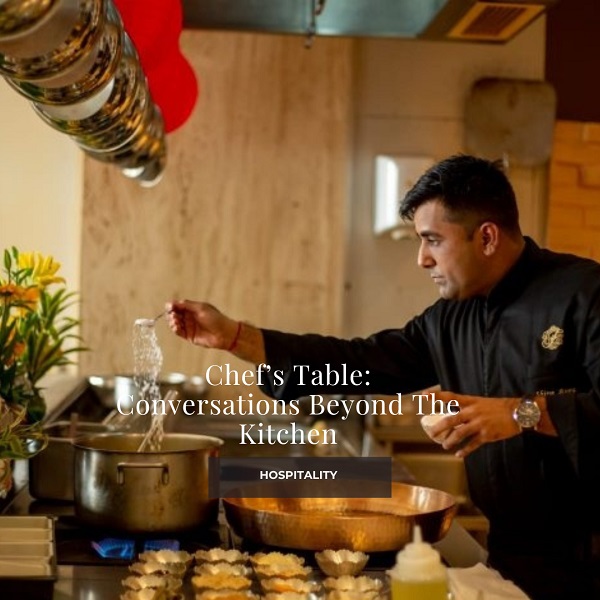
With an unwavering belief in real ingredients, thoughtful innovation, and the power of discipline, Chef Shiva Arora represents the new-age culinary visionary one who not only creates exceptional dining experiences but also inspires the teams behind them. In an exclusive conversation with High On Persona, he reflects on his journey, leadership philosophy, and the evolving dynamics of the global food landscape, offering a rare glimpse into the mind of a chef who continues to redefine excellence.
Hop: Every successful chef has a defining moment. What first inspired you to pursue culinary arts as a career?
Ans: My journey began in my home kitchen during my school days. The aroma of food fascinated me, and I realized I could recognise ingredients simply through their fragrance. What truly drew me in was the joy and warmth shared by my family over meals their smiles made me feel deeply connected to the art of cooking.
Ans: My time there played a pivotal role in shaping my personality and professional outlook. The exposure gained during industrial training, along with interacting with peers from diverse backgrounds, significantly enhanced my confidence and strengthened my culinary foundation.
Hop: Looking back at your early days in hospitality, what were some of the biggest lessons you learned in the kitchen?
Ans: The importance of discipline and staying honest and committed to one’s work have been the most valuable lessons.
Hop: You have worked with some of the most prestigious hospitality brands such as The Oberoi Group, JW Marriott, Pullman Hotels and Resorts, Novotel, Hyatt, and Fairmont Jaipur. Which experience shaped you the most as a chef and leader?
Ans: Each organization I have been a part of has contributed meaningfully to my growth. Every role came with its own set of challenges and learnings. I am grateful to the exceptional chefs I worked under, as they helped me refine my skills and shaped my journey as a professional.
Hop: From Chef de Cuisine to Regional Executive Chef managing hundreds of chefs, how has your leadership style evolved over the years?
Ans: Post-COVID, the importance of maintaining a healthy work-life balance became very evident, and it has influenced my leadership style significantly. With Gen-Z entering the workforce and the industry evolving rapidly, adopting an inclusive, flexible, and adaptive approach has become essential. Staying grounded while embracing change is key to effective leadership today.
Hop: What were some defining challenges while handling large-scale culinary operations across multiple outlets and countries?
Ans: Managing diverse teams and aligning them toward a common goal remains a significant challenge. Additionally, anticipating costs amid global uncertainties and addressing the shortage of skilled chefs—especially post-COVID—are ongoing concerns.
Hop: How would you describe your culinary philosophy today?
Ans: My philosophy revolves around real food made with natural, locally sourced ingredients. It is about respecting the ingredients, the process, and the people we serve.
Hop: You have experience across Indian, Middle Eastern, Western, and global cuisines. How do you balance authenticity with innovation?
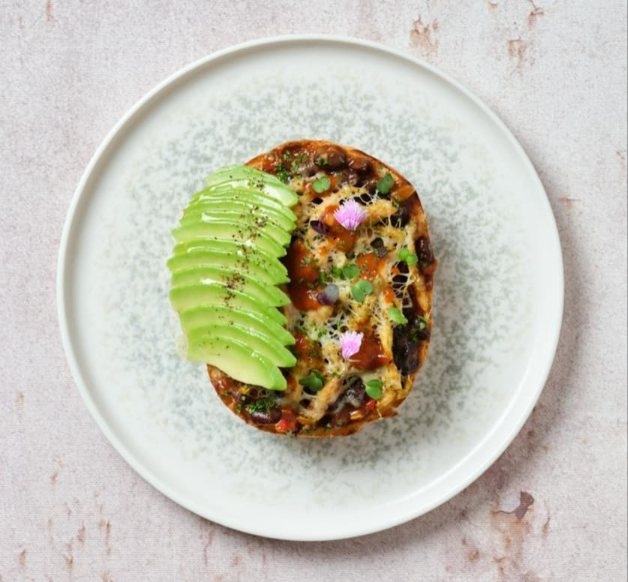
Ans: A strong focus on research and development is essential. Every dish that reaches the menu must be thoughtfully developed and tested. Using the right ingredients and appropriate cooking techniques ensures authenticity while allowing room for innovation.
Hop: What role does creativity play when designing menus for diverse audiences?
Ans: Creativity enables chefs to express their culinary vision while catering to a wide range of preferences. It can take the form of fusion cuisine, incorporating cultural flavors, designing customized meals for dietary needs, or curating seasonal menus.
Hop: Managing teams of 300–450 chefs is no small feat. What leadership principles help you keep such large culinary teams motivated?
Ans: Transparency, fostering a culture of growth, and clearly communicating goals are fundamental to keeping large teams motivated and aligned.
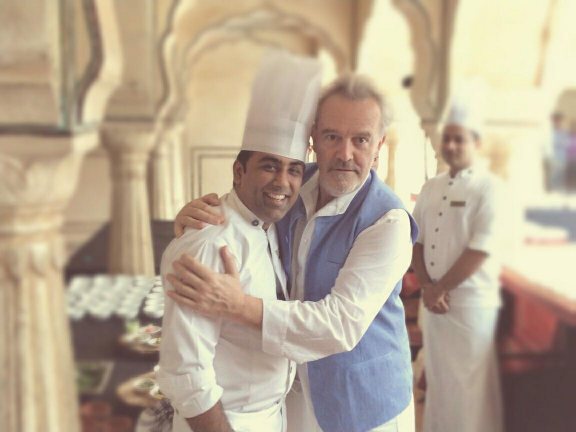
Hop: How important is mentorship in professional kitchens today?
Ans: Mentorship is extremely important. I have been fortunate to learn from some excellent mentors who not only shaped my skills but also prepared me to navigate the challenges of a fast-paced industry.
Hop: What qualities do you believe define a great chef beyond cooking skills?
Ans: Honesty, integrity, and a keen attention to detail are essential qualities that define a great chef.
Hop: You have curated culinary experiences for distinguished personalities including members of the Mukesh Ambani family. How does cooking for such high-profile guests differ from regular service?
Ans: It is both a rewarding and demanding experience. The level of precision and attention to detail required is immense, and each guest often has highly personalized preferences, necessitating carefully curated, individual menus.
Hop: Having handled luxury events, destination weddings, and global food festivals, which experience stands out as the most memorable?
Ans: While each experience has contributed to my growth, the sit-down dinner themed around Game of Thrones, organized by Star World, stands out as particularly memorable. Conceptualizing dishes inspired by the series’ seasons and episodes was both challenging and creatively fulfilling.
Hop: The hospitality industry evolves constantly. What food trends do you see shaping the future of dining?
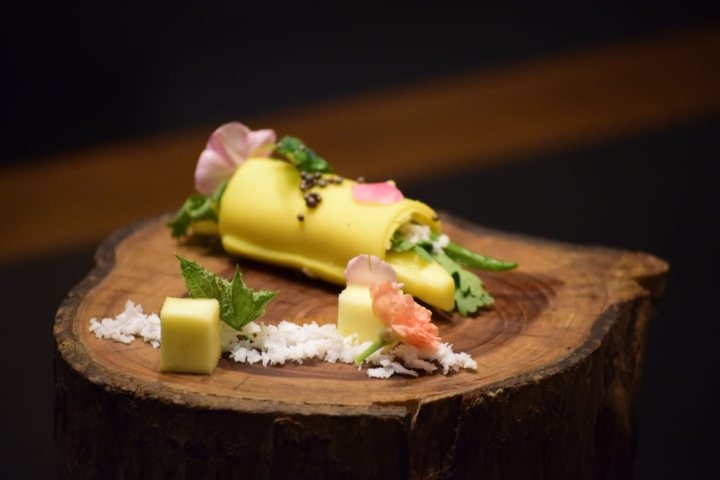
Ans: Dining today has become increasingly experiential, with presentation playing a significant role. However, I believe that culturally rooted cuisines and health-conscious dining will continue to shape the future globally.
Hop: What role does research and development play in creating successful restaurant concepts?
Ans: Research and development form the backbone of any successful F&B venture. From market analysis and consumer insights to food trials and tastings, every step contributes to building a sustainable and successful concept.
Hop: You’ve worked with globally renowned chefs like Heston Blumenthal and Alain Passard. What insights did you gain from these collaborations?
Ans: Their discipline is truly remarkable. One of the key takeaways for me was the importance of cultural integration, along with the value of building strong professional networks.
Hop: Opening multiple restaurant concepts and managing pre-opening projects is challenging. What are the most critical steps for a successful launch?
Ans: A successful launch requires meticulous planning—from facility design and understanding market dynamics to building the right team and establishing supply chains. Menu development, marketing strategies, compliance, and conducting thorough dry runs are all crucial elements.
Hop: Outside the kitchen, what inspires you creatively?
Ans: I draw inspiration from my wife, whose energy and efficiency in managing our home resemble that of a General Manager.
Hop: What advice would you give young chefs aspiring to build a global culinary career?
Ans: Stay honest, remain humble, and be dedicated to your craft.
Hop: Apart from cooking and being a chef, what are you good at?
Ans: I enjoy sketching and playing table tennis.
Rapid Fire (Fun Section)
Hop: Your comfort food?
Ans: Ajwain paratha with malai.
Hop: One ingredient you cannot cook without?
Ans: Salt—though I must admit I have a fondness for good fats.
Hop: A city whose food culture inspires you the most?
Ans: Kashmir and Varanasi.
Hop: One dish that defines Chef Shiva Arora?
Ans: It is difficult to choose just one—Sarson ka Saag, Tabak Maaz, and Al Faham are particularly close to my heart.